
Colorado has one nickname that is unquestionably official, a few historic or widely used alternatives, and plenty of modern labels that describe how people experience the state. I separate those categories here so a fun nickname never gets mistaken for an official one.
The Centennial State
The Centennial State is Colorado’s official state nickname. Colorado entered the Union on August 1, 1876, the year the United States marked the centennial of the Declaration of Independence.
That timing is the whole reason the name fits. Colorado became the 38th state during the nation’s 100th-anniversary year, giving “Centennial” a precise historical meaning rather than a vague patriotic one.
I like this nickname because it is unusually tidy. You can explain the entire origin in one sentence, and there is no need to rely on folklore or a disputed story.
The nickname also appears naturally in government, tourism, education, and state-history material. If you need the safest, most accurate answer to “What is Colorado’s nickname?” this is it.
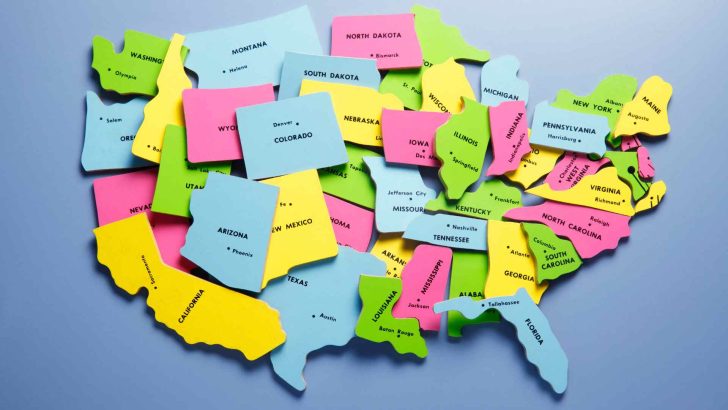
Historic and Widely Used Colorado Nicknames
Colorado has accumulated other labels through mining, geography, tourism, and popular culture. These are not all official state nicknames, so I would use them as historical or descriptive names rather than presenting them as legal designations.
1. The Centennial State
This is the official one and the most important. The statehood date of August 1, 1876 ties Colorado directly to the United States’ centennial year.
2. The Rocky Mountain State
The Rocky Mountain State is an informal geographic description rather than Colorado’s official nickname. It makes immediate sense because the Southern Rocky Mountains dominate the state’s identity, scenery, recreation, and settlement history.
I would use this one in travel writing, outdoor branding, or a casual nickname list. I would not label it “the official nickname,” because that title belongs to Centennial State.
3. Colorful Colorado
Colorful Colorado is one of the state’s best-known promotional phrases and has appeared on Colorado welcome signs and in tourism language. It is a slogan-like nickname rather than the official state nickname.
The phrase works because Colorado really does shift visually from red-rock country and grasslands to alpine lakes, golden aspens, snowy peaks, and high desert. It also echoes the state name, which comes through Spanish and is associated with the idea of reddish coloring.
4. The Silver State of the Rockies
Colorado’s nineteenth-century mining history makes silver-themed nicknames understandable, especially around the boom years that shaped places such as Leadville, Aspen, and Silverton. I would treat Silver State of the Rockies as a descriptive historical-style nickname, not a formal state designation.
Nevada has the much stronger established claim to “The Silver State” as a state nickname. Adding “of the Rockies” helps distinguish the Colorado version and keeps the mining reference grounded in geography.
5. The Gold Rush State of the Rockies
Gold discoveries in the late 1850s accelerated migration into the region and helped transform what became Colorado Territory. Gold Rush State of the Rockies is best understood as a creative historical descriptor rather than a traditional official nickname.
I like it when the goal is to emphasize the state’s mining era without pretending the phrase has the same formal standing as Centennial State. That distinction matters in a nickname article because a clever label and a historic designation are not the same thing.
Colorado Nicknames Inspired by Mountains and Outdoors
If you are creating a nickname for a team, travel group, social account, school project, or Colorado-themed event, the landscape gives you far more room to play. The names below are descriptive and creative, not official historical nicknames.
6. The Fourteener State
The Fourteener State is a natural modern nickname inspired by Colorado’s many mountain summits above 14,000 feet. “Fourteener” is the common American term for a mountain peak reaching at least that elevation.
Colorado is especially associated with fourteener hiking culture, so the name works well for an outdoors audience. I would still present it as creative or informal rather than an established state designation.
7. The High Country
The High Country is a broad regional phrase used for mountainous high-elevation areas, including parts of Colorado. It can function as an informal Colorado nickname in outdoor conversation, although it is not exclusive to the state.
The appeal is obvious once you spend time in the mountains. Elevation shapes the weather, recreation, vegetation, driving, architecture, and even the amount of water you remember to drink on vacation.
8. The Alpine Playground
The Alpine Playground is a creative tourism-style nickname for Colorado’s mountain recreation. Skiing, snowboarding, hiking, climbing, mountain biking, rafting, and scenic drives all make the phrase feel believable.
I would use this for a trip name or playful destination label, not in a history quiz asking for Colorado’s state nickname. That answer remains Centennial State.
9. The Powder State
The Powder State is an informal ski-and-snowboard nickname built around Colorado’s winter-sports reputation. It is not an official designation, but it makes immediate sense to people who associate the state with mountain snow.
Colorado officially recognizes skiing and snowboarding as state winter recreational sports, which gives the concept a nice factual backbone. The exact phrase, though, should still be treated as playful branding.
10. The Trail State
The Trail State is another creative outdoor nickname rather than an official one. It fits hiking, biking, backpacking, off-road travel, and the general culture of heading outside as soon as the weather cooperates.
I especially like it for a Colorado hiking team or travel group. It is short, clear, and does not falsely claim a historical title.
Colorado Nicknames Inspired by Culture and Scenery
11. The Mile-High State
The Mile-High State borrows from Denver’s famous “Mile High City” identity. Denver’s elevation is commemorated at one mile above sea level, though the state itself ranges far above and below that single mark.
This is a logical informal nickname, but it is much more strongly associated with Denver than with Colorado as a whole. I would use it playfully and keep that distinction clear.
12. The Columbine State
The Columbine State is a floral-style nickname inspired by Colorado’s state flower, the white and lavender Rocky Mountain columbine. The flower became an official state symbol in the nineteenth century and remains closely tied to Colorado imagery.
I would classify the phrase itself as an informal or creative nickname. It works especially well for gardens, schools, nature groups, or softer Colorado branding.
13. The Blue Spruce State
The Blue Spruce State draws from Colorado’s official state tree, the Colorado blue spruce. The tree is strongly associated with the Rocky Mountain landscape and makes an easy nature-based state label.
Again, this is descriptive rather than official. I would not put it beside Centennial State without explaining the difference.
14. The Stegosaurus State
The Stegosaurus State is a playful nickname based on Colorado’s official state fossil. Fossil discoveries and exposed geology are a major part of the state’s natural-history story, making this a fun option for kids, museums, classrooms, or dinosaur fans.
I would absolutely use this on a children’s Colorado trivia sheet. I would not expect anyone at the state capitol to answer the phone with it.
15. The Sunshine-and-Summits State
The Sunshine-and-Summits State is a modern creative nickname that combines two things Colorado visitors notice quickly: high mountain scenery and abundant bright weather. It is not historic, official, or exclusive, so it should be labeled as a playful invention.
That does not make it useless. Creative nicknames are often better for team names, travel albums, party themes, or social captions because they can match a specific mood instead of carrying a legal or historical burden.
Denver Nicknames Versus Colorado Nicknames
This is where nickname lists often get sloppy. Mile High City is a Denver nickname, not Colorado’s official state nickname, even though people sometimes stretch the idea to the whole state.
Colorado also contains places with strong identities of their own, from ski towns to Western Slope communities and Front Range cities. A local nickname may describe one part of Colorado perfectly while being misleading for the entire state.
Why Colorado Is Called the Centennial State
The explanation is refreshingly simple. Colorado became a state in 1876, exactly 100 years after 1776, the year associated with American independence and the Declaration of Independence.
Colorado’s admission date was August 1, 1876. That centennial-year statehood is why “Centennial State” became the enduring official nickname.
Is Colorful Colorado an Official Nickname?
No. Colorful Colorado is a familiar promotional phrase and an excellent descriptive label, but the official state nickname is The Centennial State.
This distinction is worth keeping because tourism slogans often become so familiar that they start sounding official. Popularity and legal status are not the same thing.
My Favorite Colorado Nicknames
For history, The Centennial State wins easily because the meaning is specific and verifiable. For a more visual option, Colorful Colorado captures the state’s scenery without needing a long explanation.
For something playful, I like The Fourteener State, The Alpine Playground, and The Stegosaurus State. Just keep the labels honest: official when official, historic when historic, and creative when we are simply having fun with the theme.

Ellie is the founder and editor of Nicknames Garden. A lifelong naming enthusiast, she blends credible dictionaries, onomastic references, and real-world usage to craft accurate, culture-aware nickname guides so readers can choose names they love with confidence. Check out our Editorial Policy to see our process!